If you grew up coaxing damp kindling to life, nursing a reluctant draft up a cold flue, and cleaning ash on Sunday mornings, the first time you switch on an electric fireplace insert can feel almost suspiciously easy. Push a button, warmth arrives, and the glass stays clean. No soot under your nails, no sparks to chase across a wool rug. Electric fireplace inserts have matured from novelty heaters into credible design anchors, and they solve problems for homes that lack gas lines or a functioning chimney. They also deliver comfort without inviting a long checklist of maintenance. That said, not every space, budget, or expectation fits an electric unit. Choosing well takes a clear view of trade‑offs, an understanding of installation realities, and a realistic sense of how you use heat at home.
Where Electric Inserts Fit Best
Most homes fall into one of three scenarios. The first is the sealed chimney, often after a failed flue liner or water intrusion. The owner wants firelight without reopening the masonry or paying for a heavy rebuild. This is where an electric fireplace insert slips neatly into the existing firebox and turns a dead hearth into a living focal point. The second is a new build or remodel centered on clean lines and flexible layout. With no venting required, an electric fireplace insert can go where a gas fireplace cannot: interior walls, bedrooms, even condos with strict HOA rules. The third scenario is supplemental heating. In a home where a heat pump carries the load, an electric insert can offset a cool north room or add a quick warm‑up for early mornings.
If your goal is whole‑home heat, electricity can help in a zone, but it will not replace a furnace, a gas fireplace insert, or a hydronic system. Most electric fireplace inserts are rated between 1,300 and 1,500 watts. At typical North American service, that translates to about 4,400 to 5,100 BTU. It is enough to take the edge off a 150 to 300 square foot room in a well insulated house. Some manufacturers advertise larger coverage, but physics sets the ceiling. If you need serious heat and have a functioning flue or a nearby gas line, a gas fireplace or gas fireplace insert belongs in the conversation.
What “Minimal Maintenance” Really Means
The core appeal of an electric fireplace insert is the low‑effort ownership. There is no combustion, so there is no soot or creosote. There are no emissions in the room, and no vent to block or leak. You will not book an annual chimney cleaning service for an electric unit, and chimney inspections become optional rather than mandatory. I still recommend a quick look at the old masonry if you are using an electric insert in a retired hearth. Water gets into neglected chimneys, and masonry issues do not disappear just because you no longer burn wood. If you need professional help, a west inspection chimney sweep or similar regional specialist can confirm that the old flue cap and crown are secure and that no animals are nesting where warm air once flowed.
Day‑to‑day upkeep on an electric fireplace insert amounts to dusting the intake vents, wiping the glass with a soft cloth, and occasionally reseating the media bed if a child’s hand rearranged the crystals. Most units use LED lighting with long life spans. Fans and control boards are the parts most likely to need service in the long run. Choose a brand with accessible support and parts availability. From experience, a unit that ships with a clear parts list and a phone number that answers is worth a small premium.
Heat, Flame, and the Psychology of Fire
People do not install fireplace inserts only for heat. They do it for the feeling: the light on a winter evening, the dance on a glass of red wine, the way a room quiets when a flame becomes the center. Electric fireplace inserts have gotten much better at this. The early generations cycled a looped image that never fooled anyone. Today’s better units combine multi‑color LED arrays with molded logs, reflectors, and vapor or refractive “embers” to suggest depth. I have stood three feet away from high‑end models that made me blink twice. I have also seen budget units that looked theatrical and flat. A showroom visit helps, or at least a video taken in real rooms rather than a product studio.
Gas fireplaces win on flame realism. Real fire still reads as real from any angle. A gas fireplace insert will also deliver higher heat output. It does, however, bring obligations: a gas line, venting, annual service, and the very real need for proper combustion tuning. If you are by the book, you will plan on chimney inspections or a qualified technician to verify draft and carbon monoxide safety each year. An electric fireplace insert asks less. You will not get the smell of oak or the pop of sap. You get a consistently attractive visual and set‑and‑forget convenience. For many households, that is the right trade.
Cost Math That Respects Your Utility Bill
Operating cost matters. A 1,500‑watt heater draws 1.5 kilowatts when the heat element is on. Multiply by your electricity rate to get hourly cost. At 15 cents per kilowatt hour, that is about 23 cents an hour. If you run the heater for three hours each evening, five days a week, your monthly cost for the heat function alone would sit around 13 to 15 dollars. The flame effect without heat uses far less power, generally under 100 watts, so think pennies per evening.
Gas pricing varies by region, as do the efficiencies of gas fireplaces. A well tuned direct‑vent gas fireplace can deliver large amounts of heat at a reasonable cost per BTU. If your aim is room‑dominant heat, and natural gas rates are low, gas often wins. If your aim is ambiance with light supplemental warmth, or if your home’s electricity comes from a solar array, electric fireplace inserts can be the frugal choice. Where I see owners stumble is in trying to make a single electric insert serve as a primary heat source for large, open areas. It can take the edge off. It will https://travishndv097.bearsfanteamshop.com/maximizing-heat-output-with-the-right-fireplace-inserts not carry a great room in a mountain home on a windy night.
Installation: Realities, Shortcuts, and What Not to Do
An electric fireplace insert is simpler to install than a gas fireplace insert or wood stove, but it is not a toy. Respect clearances and ventilation. Most units need a dedicated 120‑volt circuit. If you plan to run the heater, a shared circuit with a kitchen appliance or media equipment can trip breakers. Hardwiring through a junction box is cleaner than a dangling cord, especially in an existing masonry firebox where you might otherwise route a cord across a hearth. If a hardwire option exists for the model you like, consider it. Electric fireplace inserts rely on an internal fan to move heat. The fan needs breathable space at the intake and outlet. Do not build a tight frame that blocks the louvers, and do not stuff insulation tight around the chassis.
When retrofitting into a masonry fireplace, measure the firebox in three dimensions, not just width and height. Depth tapers toward the back on many older fireplaces. Check for an ash dump door, an uneven floor, or a protruding damper frame. Expect to install a surround panel to cover gaps, and be prepared to shim a slightly out‑of‑level hearth. The cleaner you make the opening, the better the finished look. I like to photograph the firebox from straight on, then overlay the manufacturer’s dimension diagram before I order. That small step has saved me from at least two wrong‑size purchases.
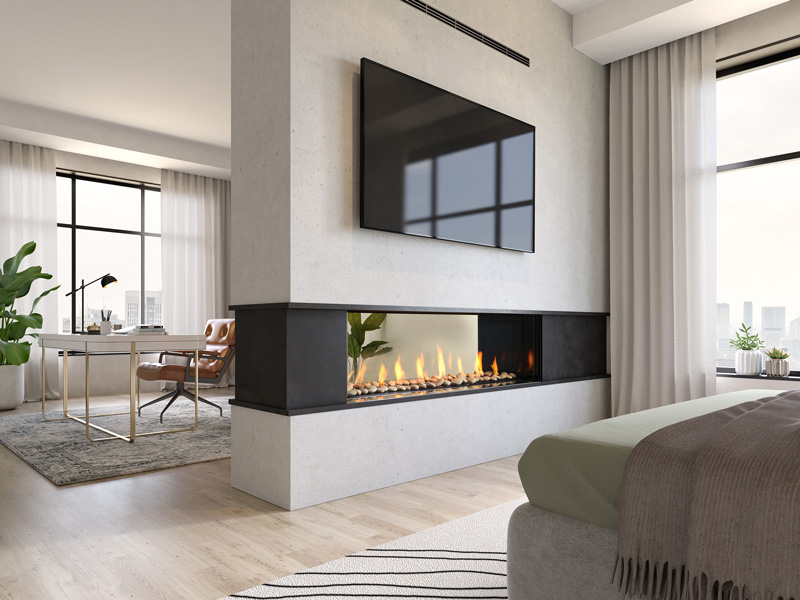
New wall installations invite creativity. You can build a shallow bump‑out, just deep enough to house the insert and a recess for a TV above. If you go that route, separate the TV and fireplace cavity with a solid header and keep wire chases away from heat discharge. Manufacturers publish minimum offset distances. Follow them. If the unit offers a front‑vent option, use it for tight builds. Side or top vents need more space and clever ducting to keep the face clean.
Safety and Electrical Considerations
The simplest hazard with an electric insert is overloaded circuits. Do the math before a holiday party when the insert, the espresso machine, and a plug‑in space heater all draw from the same 15‑amp line. If you are unsure, bring in an electrician to run a dedicated circuit. They can also add a recessed outlet or junction box so a plug is not visible.
Heat and finishes do not play well without forethought. Mantels, shiplap, and TV bezels can discolor or warp if a unit with a forward‑blowing heater sits directly below. Look for heat diversion features or consider a unit where the warm air exits at the bottom and washes the wall instead of the television. Tempered glass on the face keeps surface temperatures safe for most households, but every model differs. If you have toddlers, test the glass after a long heating cycle and decide if a low barrier or a habit rule is warranted.
Unplugging for maintenance, keeping liquids away from the intake, and leaving space for the cord to avoid pinch points are basic habits that prevent failures. These sound like small details; they are exactly the details that keep a five‑year service record clean.
Comparing Electric, Gas, and Wood by Use Case
An honest comparison uses examples, not abstract features. Take a 1920s bungalow with a tile fireplace that has not seen a proper fire since the 1980s. The chimney crown is cracked. Rebuilding the flue and installing a stainless liner for wood might cost several thousand dollars. A gas fireplace insert would require a gas line routed under or around the house, a co‑linear vent up the chimney, and a surround. That can be the best solution if the owners want 20,000 to 30,000 BTU of heat and real flame. If their main wish is safe ambiance and gentle warmth, an electric fireplace insert, set into the cleaned firebox with a custom surround, solves the problem for far less and without the annual service burden. They will not schedule a chimney cleaning service, and chimney inspections shift from safety requirement to occasional building wellness.
Now consider a new suburban family room built open to the kitchen. The homeowners want a central flame visible from a sectional and breakfast table. They plan to entertain. Electric fireplace inserts shine here, especially linear models between 50 and 72 inches. Installation is flexible, clearances are forgiving, and the unit’s coolest trick, flame without heat, lets them enjoy the look in July. A gas fireplace could deliver more heat than they need, risk cooking the TV niche, and demand complicated venting on an interior wall.
If you are an avid woodburner who enjoys the ritual and the radiant heat, an electric unit likely feels unsatisfying. For you, a rebuilt flue and a modern wood insert with proper air control makes sense. You will book chimney inspections, value the performance of a clean liner, and keep a west inspection chimney sweep on your holiday list. Different owners, different priorities.
Features That Matter More Than Marketing
Ignore the brochure adjectives and look at the core items: flame engine, heater type, controls, and build quality. Flame engine means the way the unit produces its visuals. Some use a fog‑based system to create three‑dimensional flame bodies. These look terrific in person but require refilling water reservoirs and occasional cleaning. Others use layered LED panels with reflectors, which deliver crisp, colorful flames without consumables. Heater type is mostly fixed across the category, with quiet DC fans and ceramic elements that ramp quickly. A few premium models add variable heat modulation rather than simply low or high, which helps maintain a comfortable room temperature.
Controls deserve more attention than buyers give them. A backlit remote you can read in dim light is a daily convenience. App control can be useful, especially if you want to preset a room for an early meeting, yet it adds one more ecosystem to maintain. Voice control is a party trick unless you use it in a universal scene that dims lights and starts music. I would pick tactile reliability over a suite of integrations if forced to choose.
Build quality shows up at the edges. Look at the corners of the glass, the thickness of the surround, and the sound of the fan ramping up. A unit that rattles on day one will not improve. Units with tool‑less access to the media bed and clear channels for intake cleaning are easier to own. Check service documentation before you buy. If the manual references parts by number and shows an exploded view, you can likely get what you need in three years when a fan eventually wears out.
What Professional Installers Bring to the Project
An experienced installer reads a room the way a tailor studies posture. They catch small things early: the shift in wall flatness near a stud bay, the half inch of hearth tilt that will make your glass line read crooked from the sofa, the way direct sunlight can wash out a flame effect at certain hours. They also bring the right tools for clean cuts and dust control. If a job involves hardwiring, code compliance, or a new bump‑out, a licensed electrician and a carpenter are worth every bit of the fee. If you need help choosing between an electric fireplace insert and a gas fireplace insert, a professional who handles both will give clearer advice than a showroom that sells only one category.
If the project is a retrofit into a chimney you are retiring, schedule a one‑time inspection. It is not required by the electric unit, but it protects the building envelope. A brief visit from a qualified sweep to confirm the cap, crown, and flashing condition can save you from discovering a slow leak two winters later. Whether you call a local shop or a regional outfit like a west inspection chimney sweep, the goal is simple: make sure the old system is safely dormant behind your new unit.
Design Notes: Making It Look Native to the Room
The difference between an insert that looks tacked on and one that looks meant to be there hinges on scale and material. In a traditional mantle opening, pick an insert that fills the firebox face as much as possible without choking the intake. Oversized surround panels can look clumsy. Custom paint or a powder‑coated surround matched to the mantle’s color tightens the whole composition.
Linear modern spaces invite bolder moves. A thin stone veneer or large‑format porcelain tile carries heat well and gives the face weight. If you are integrating a TV above, mind the proportional balance. I often aim for a TV width within 10 to 20 percent of the fireplace opening. Too small, and the eye sees two disconnected elements. Too large, and the fireplace feels like an afterthought. Lighting helps. Add a small, dimmable wash over the facing so the flame reads against lit texture rather than stark darkness.
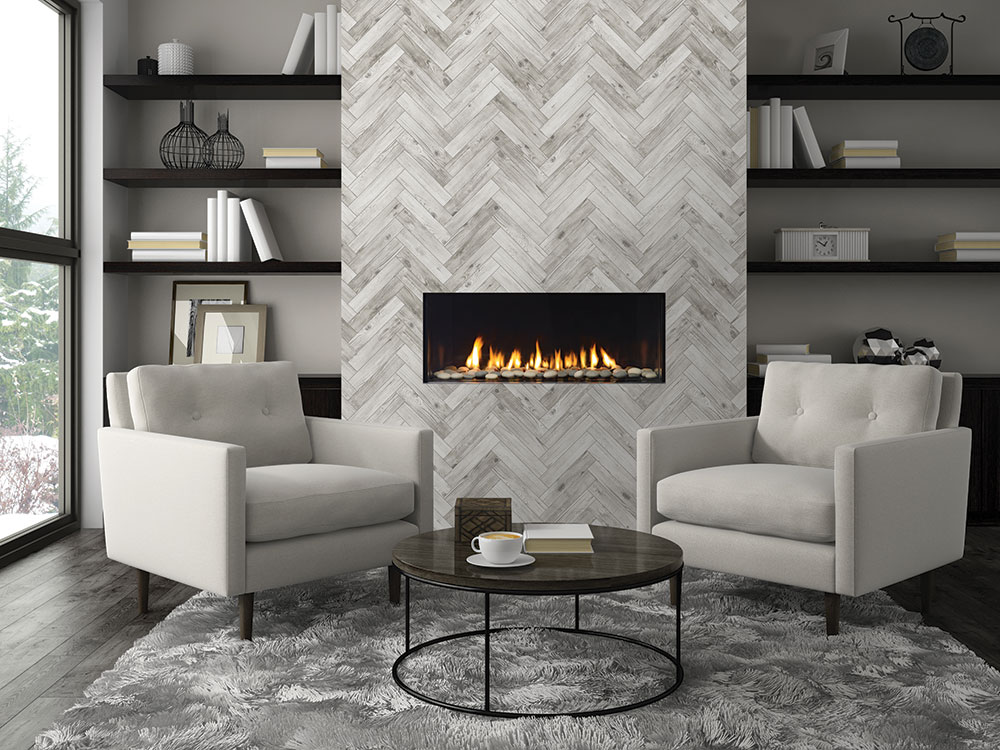
Mind floor coverings. Electric fireplace inserts throw modest heat from the front. A thick pile rug pushed tight against the face can block intake or trap warmth. Leave a few inches of breathing space, and if you use a hearth rug for tradition’s sake, pick a tight weave.
Real‑World Anecdotes: Lessons from Installs
One condo client wanted a flush, wall‑hung look with no visible power cord. The building would not allow new penetrations through fire‑rated demising walls. The solution was a shallow floating media cabinet below the electric fireplace insert, with the cord routed to a recessed outlet inside the cabinet. The look stayed clean, and we avoided any code issues. The client reported that the flame‑only mode ran nightly from October to March, with heat used during morning coffee on cold days. Their winter bill ticked up by less than twenty dollars a month from prior year.
Another homeowner insisted on placing an electric unit under a reclaimed wood mantel with only a few inches of clearance. The manufacturer called for more. Against advice, they pushed forward. Six months later, the underside of the mantel showed finish checking from heat. We rebuilt with a slightly taller stone corbel detail that looked better and introduced a heat deflector. A few inches of compliance would have avoided the redo.
Finally, a retrofit case in a brick bungalow taught a simple measuring lesson. The front opening was wide enough, the height generous, and the depth seemed fine. The taper at the back, however, stole critical space at the unit’s top rear corner. We discovered it only during install when the insert would not seat. A quick chisel session removed a half inch of old mortar, but it would have been cleaner to catch the pinch point during assessment.
Maintenance Habits That Keep Electric Inserts Quiet and Reliable
- Vacuum the intake and discharge louvers lightly every month in peak season. A soft brush attachment keeps the fan happy and quiet. Wipe the glass with a microfiber cloth when dust accumulates. Avoid harsh cleaners that leave residue under heat. Run the unit in flame‑only mode for a few minutes after using heat. This helps equalize temperatures and can prolong electronic life. If the model uses water vapor for flame effect, empty and dry the reservoir before vacations to prevent mineral buildup. Check the remote batteries once a year and reseat the media bed if light rattles appear. A level media bed often cures surprisingly many noises.
When a Gas Fireplace Insert Still Wins
Despite all the virtues of electric, there are homes where gas stands head and shoulders above. If your living space is large, you crave a dominant heat source, and you have or can add a direct‑vent path, a gas fireplace insert delivers. Many models put out 20,000 to 35,000 BTU with turn‑down to keep comfort steady. Real flame still carries a gravity that LED cannot quite duplicate. In those cases, line up a qualified technician for fireplace installation, plan for annual service, and keep records. The extra work pays back in warmth and longevity. If your flue is suspect, bring in a pro for chimney inspections. A chimney cleaning service is part of that rhythm for wood, and inspection remains key for gas to ensure safe, efficient exhaust.
A Short Buyer’s Checklist
- Match the insert’s heat output to room size and insulation, not to wishful thinking. Prioritize flame realism in person if ambiance matters most. You will live with the look every night. Plan electrical properly: dedicated circuit when practical, hidden outlet or hardwire, and clear airflow paths. Read the manual before purchase, especially clearance diagrams. Measure the opening in three dimensions. Favor brands with clear parts support and documented service procedures.
The Bottom Line for Most Homes
Electric fireplace inserts are a smart answer for homeowners who want modern warmth with minimal maintenance. They bring a believable firelight experience without venting constraints, keep operating costs predictable, and slot into spaces where gas fireplaces would be complicated or prohibited. They shine in bedrooms, condos, tight retrofits, and living rooms where design flexibility matters as much as heat. They ask less of you: no ash buckets, no appointments with a chimney sweep, and no worries about combustion safety.
They are not all things to all rooms. If you need a serious heat source, look hard at a gas fireplace or gas fireplace insert and accept the added complexity of venting and service. If you thrive on the ritual of wood, keep your flue healthy, schedule those chimney inspections, and enjoy what only a live fire can offer. For everyone else, the quiet pleasure of pushing a button and watching a convincing flame appear has its own kind of magic. It turns out that warmth, tastefully delivered and easy to live with, can be enough. And in most homes, enough is exactly right.